tpclaims

Author name: admin

All

About T-bone collisions

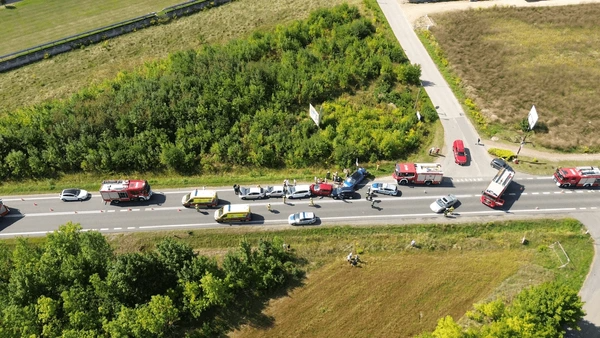
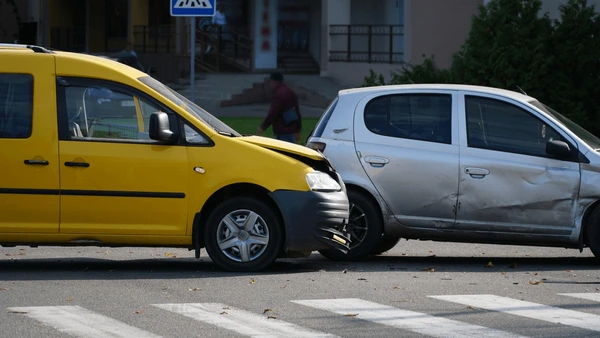
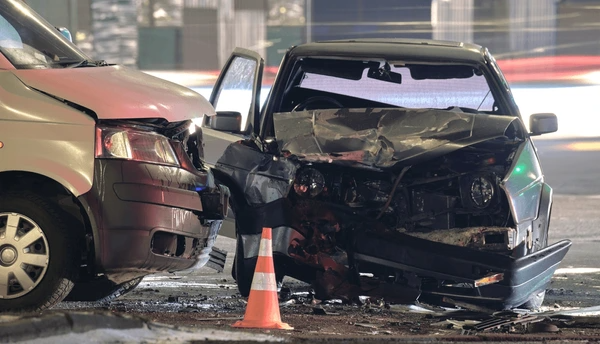
, T-bone collisions, also known as side-impact crashes, are a common type of car accident with potentially severe consequences. These accidents occur when the front of one vehicle strikes the side of another vehicle, forming a “T” shape. T-bone collisions often result in significant damage to both vehicles and can cause serious injuries to drivers and passengers. One of the key issues in T-bone collisions is determining liability. Liability refers to legal responsibility for the accident and its consequences. In these types of accidents, liability is typically determined based on the principle of negligence. Negligence in a T-bone collision can include actions such as running a red light, failing to yield, speeding, or distracted driving. Liability disputes in T-bone collisions can be complex and may require thorough investigation and evidence gathering. Eyewitness testimonies, traffic camera footage, vehicle damage assessments, and accident reconstruction analyses are all crucial in establishing liability. In some cases, both drivers may share a portion of the liability, known as contributory negligence. This means that each party is responsible for a percentage of the damages based on their degree of fault. To navigate liability disputes in T-bone collisions, it is essential for all parties involved to gather as much evidence as possible and seek legal guidance to ensure a fair resolution. Additionally, adhering to traffic laws and practicing defensive driving can help reduce the risk of T-bone collisions and the associated liability issues. Have you been T-boned by another driver? Contact TP Claims online or via our 24hr call line – we are here to help.

All

How subrogation works in third-party claims

Subrogation, in terms of third-party claims, is a crucial legal concept that can significantly impact the conduct and outcome of a claim. In essence, subrogation allows an insurance company that has an interest in a claim to “step into the shoes” of the at-fault driver and defend a claim from a third party where the insurer’s client may be responsible for the loss or damage. This process typically occurs when the insurer’s client causes damage to someone else’s property due to negligence or wrongdoing. Once the insurance company determines responsibility for the loss (liability) they generally manage the claim against the third party (quantum). In some cases, liability may be denied by the insurer and this issue may have to be litigated. For the not-at-fault driver, subrogation means dealing with the insurer and not their client. This can be a positive in terms of knowing that the probability of getting compensation is increased due to the financial capacity of the insurer as opposed to the unknown capacity of the tortfeasor (at-fault driver), however, insurers are professional litigants which means not-at-fault drivers are generally at a procedural disadvantage without professional representation such as a claim manager (ie Third Party Claims) or a lawyer. Furthermore, subrogation depends on various factors, including the actual making of a claim and the paying of excess, the availability of evidence, the cooperation of all parties involved, and applicable laws and regulations. When liability is established, subrogation may result in partial or full reimbursement to the not-at-fault driver. Often, if the at-fault driver (or the owner of the vehicle) has not made a claim or not paid their excess, the insurer will not act. In summary, understanding subrogation is crucial for not at-fault drivers in their claims against a tortfeasor who is insured. Contact TP Claims if you having problems dealing with the insurer of an at-fault driver – online or via our 24 hr hot-line 0407 294 580. We are here to help.   Important Notice TP Claims only deals with negligence claims for not-at-fault drivers. We do not manage claims and disputes between the insured and their insurers. Further, we do not provide advice on insurance products and policies. If you are insured and you have a dispute with your insurer, we suggest that you contact AFCA or obtain legal advice.  

All

Drivers must exchange details after a collision

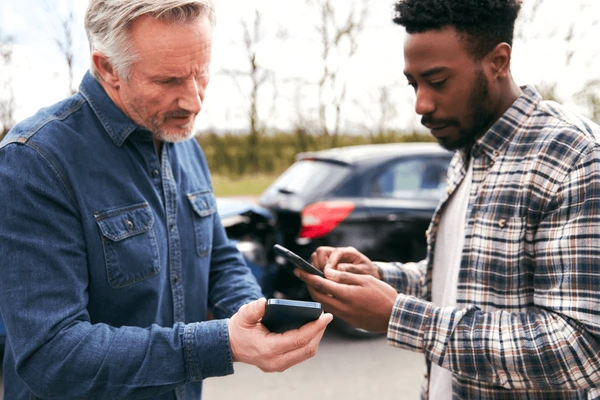
Drivers must exchange details after a collision In the aftermath of a car accident, one crucial obligation falls upon the at-fault driver: the requirement to exchange details. This legal mandate serves to facilitate the resolution of third party claims and ensures accountability. The exchange typically includes names, addresses, phone numbers, driver’s license numbers, license plate numbers, and insurance information. Failing to fulfill this obligation can result in legal repercussions, as it impedes the proper handling of claims and investigations. In many jurisdictions, failure to exchange details can lead to fines, license suspension, or other penalties. Moreover, prompt exchange of information is vital for the well-being of all parties involved. It allows for timely communication with parties, medical professionals, and legal representatives, ensuring a smoother recovery process for those affected. Ultimately, understanding and adhering to the requirement to exchange details after a car accident not only fulfills legal obligations but also fosters a sense of responsibility and cooperation on the road.

All

About Collisions with Taxis and Rideshare Vehicles

Collisions involving Ubers and taxis have become a growing concern in urban areas, as the popularity of ride-sharing services continues to rise. While these services offer convenience and accessibility, they also introduce new challenges to road safety. The dynamic nature of ride-sharing, with drivers constantly navigating unfamiliar routes and managing passenger pickups, can increase the risk of accidents. Additionally, some drivers may be distracted by the need to manage their mobile devices for navigation or communication with passengers, further elevating the likelihood of collisions. Moreover, the sheer volume of Ubers and taxis on the roads can lead to congestion and aggressive driving behaviors as drivers compete for fares. This congestion not only heightens the risk of accidents but also contributes to overall traffic frustration and delays. To address these concerns, policymakers and transportation authorities must prioritize strategies to enhance safety measures for ride-sharing vehicles, including stricter driver training requirements, improved enforcement of traffic laws, and investments in infrastructure to alleviate congestion. By proactively addressing these issues, cities can work towards safer streets for all road users. Many taxis and rideshare vehicles have insurance, which is mandated, through co-operatives such as taxi clubs. Taxi and ride share insurance clubs are a type of mutual that have special sets of rules when it comes to making third party claims.  Contact TP Claims online or phone / text 0407 294 580 (24 hr hotline) to enquire about how we can help with any collision you have had, that was caused by taxi or rideshare vehicles.  

All

Why is There so Much Litigation in Third Party Insurance Disputes ?

Third-party insurance disputes often result in significant litigation due to the inherent complexities involved. One primary reason is the multiplicity of parties involved. Unlike a straightforward transaction between an insured individual and an insurer, third-party claims involve at least three parties—the insured, the insurer, and the third party making the claim. Each party may have conflicting interests and interpretations of policy terms, leading to disputes. Moreover, determining liability in third-party cases can be intricate. Establishing fault, assessing damages, and navigating legal intricacies further contribute to the complexity. Insurance policies themselves can be ambiguous or subject to interpretation, leading to disagreements over coverage. Additionally, third-party claims often involve emotional or financial stakes, incentivizing parties to pursue litigation to protect their interests or maximize compensation. Furthermore, the adversarial nature of insurance claims processes can exacerbate disputes, pushing parties towards legal resolution. Ultimately, the convergence of multiple parties, complex liability determinations, ambiguous policy terms, and high stakes fosters an environment ripe for litigation in third-party insurance disputes. Got a motor vehicle dispute with a third party? Contact TP Claims for a no-obligation discussion – online or via our 24-hour hotline 0407 294 580. We are here to help. No-win No-fee.

All

Problems with third party truck collision claims

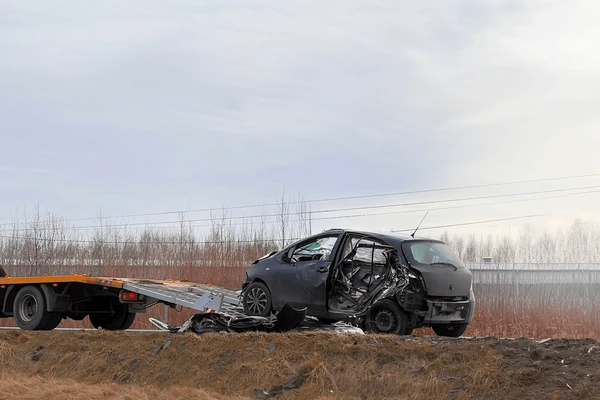
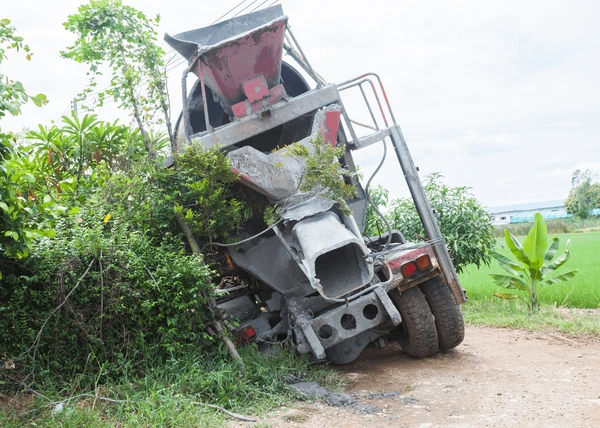
Truck collision claims can be complex due to various factors, posing challenges for claimants and third parties. Here are some common problems encountered: Severity of Damages and Injuries: Truck collisions often result in significant damages and severe injuries due to the size and weight disparity between trucks and other vehicles. Proving the extent of damages and injuries accurately can be challenging and may require extensive documentation and expert analysis. Multiple Parties Involved: Truck accidents may involve multiple parties, including the truck driver, trucking company, vehicle manufacturer, and other third parties. Determining liability and navigating through the web of responsibilities can complicate the claims process. Insurance Coverage: Commercial trucking companies typically carry substantial insurance coverage, often with large excesses. However, insurance companies may employ aggressive tactics to minimize payouts, delaying or denying legitimate claims. Dealing with large insurance corporations can be daunting without legal assistance. Regulatory Compliance: Trucking companies are subject to numerous federal and state regulations governing safety standards, driver qualifications, and maintenance protocols. Violations of these regulations can impact liability and require thorough investigation to establish fault. Evidence Collection: Gathering evidence in truck collision cases can be challenging. This may include obtaining black box data, driver logs, maintenance records, witness statements, and accident reconstruction reports. Delays in securing evidence can hinder the claims process. Legal Complexity: Truck accident claims often involve intricate legal procedures and statutes specific to the trucking industry. Without legal expertise, claimants may struggle to navigate the legal complexities and meet procedural requirements. Longer Settlement Processes: Due to the complexity and high stakes involved, truck collision claims often take longer to settle than typical car accident claims. Negotiations with multiple parties, extensive documentation, and potential litigation can prolong the settlement process. Given these challenges, seeking legal representation from experienced attorneys specializing in truck accident cases can significantly improve the chances of a successful outcome. Third Party Claims can advocate for your rights, handle negotiations with insurance companies, and pursue fair compensation for damages and injuries. Important Notice: Third Party Claims only manages negligence (not at fault) claims and not claims and disputes between insurers and policy holders. 

All

Been ghosted by an at fault driver after a collision?

Being ghosted by an at-fault driver after a collision can be frustrating and stressful, but there are steps you can take to address the situation: Document Everything: Keep records of all interactions and attempts to contact the at-fault driver. This includes emails, text messages, phone call logs, and any other communication attempts. Contact Authorities: If the other driver is evading responsibility, consider contacting law enforcement to report the accident. They may be able to help locate the driver or provide assistance in resolving the situation. Seek Legal Advice: Consider consulting with a legal professional who specializes in car accident cases. They can offer guidance on your options and help protect your rights. Explore Other Avenues: If traditional methods fail to resolve the issue, you may need to explore alternative options such as small claims court or mediation to pursue compensation for damages. Stay Persistent and Patient: Dealing with a ghosting situation can be frustrating, but it’s essential to remain persistent and patient in your efforts to resolve the matter. Keep records of all your actions and continue to pursue a resolution until you achieve a satisfactory outcome. Remember to prioritize your safety and well-being throughout the process, and don’t hesitate to seek support from trusted friends, family, or professionals if needed. Plus, call Third Party Claims – we will go into bat for you – no win no fee.

All

How to make a third party claim

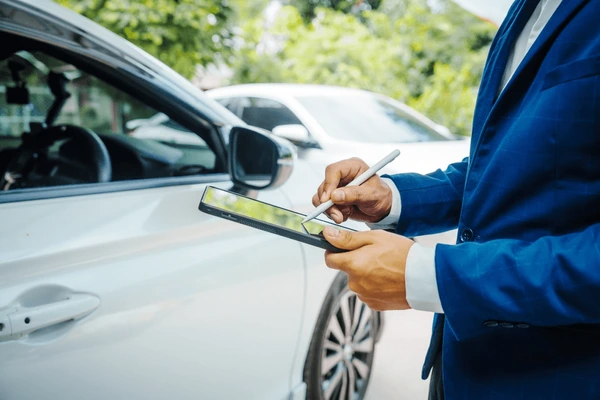
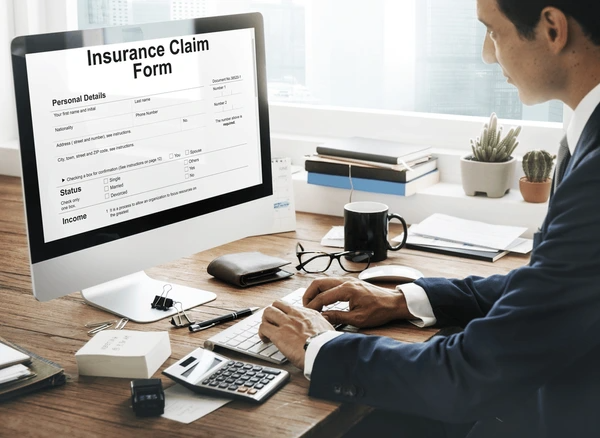
Making a third-party claim after a car accident involves seeking compensation from the at-fault driver for damages incurred. Here’s a step-by-step guide: Gather Information: Collect as much information as possible at the scene of the accident, including the other driver’s contact details, insurance information, and the accident location. Contact the At-Fault Driver’s Insurer: Obtain the at-fault driver’s insurance details and contact their insurer to initiate the claim. Provide them with a clear and detailed account of the accident, including any relevant evidence like photos or witness statements. Compile Documentation: Compile any necessary documentation, such as the police report, medical bills, repair estimates, and any other evidence of damages. Negotiate Settlement: Work with the at fault driver to try negotiate a fair settlement for your damages. Be prepared to provide additional information or negotiate terms as needed. Accept or Appeal: If you’re satisfied with the offered settlement, accept it. If not, you may appeal or consider seeking legal advice for further options, such as mediation or filing a lawsuit. Finalize the Claim: Once a settlement is reached, finalize the claim by signing any required paperwork and ensuring all parties are in agreement. Receive your compensation, and if necessary, proceed with repairing your vehicle or seeking medical treatment. Remember to keep records of all communications and documentation related to the claim for your records. It’s also advisable to consult with your own insurance company or a legal professional to ensure your rights are protected throughout the process. If you can’t work it out, contact Third Party Claims. We will go into bat for you. No win no fee.  

All

Why it’s important to get details of other driver and witnesses to an accident

Obtaining contact details after a car collision is crucial for resolving claims and potential legal matters. Immediately after an accident, prioritize safety and medical assistance if needed. Then, gather information from the other driver, including their full name, phone number, address, license plate number, and insurance details. If possible, take photos of the vehicles involved and the scene of the accident. Also, obtain details of any witnesses and also obtain CCTV / dashcam footage, if available. In situations where the other driver is uncooperative or refuses to provide their information, note down any available details, such as their vehicle’s make, model, and color, as well as any distinguishing features. Witness statements and police reports can also aid in identifying the other party. Promptly notify us and provide us with the gathered information. Remember to stay calm and cooperative throughout the process, focusing on ensuring everyone’s safety and facilitating a smooth resolution to the situation. If you have any issues with obtaining details and evidence, contact Third Party Claims – online or via our 24 hr hotline – we are here to help.

All

Car Park Collisions Are Common

Car accidents in car parks, though often overlooked, are a significant concern for drivers and pedestrians alike. Despite lower speeds compared to main roads, the confined spaces and frequent manoeuvring make car parks breeding grounds for collisions. One primary cause is negligence, as drivers may become distracted while searching for parking spots or navigating tight corners. Additionally, poor visibility due to blind spots or inadequate lighting exacerbates the risk. These accidents can result in property damage, injuries, and even fatalities. Pedestrians, especially children and the elderly, are particularly vulnerable. Preventive measures are crucial. Enhanced signage, speed limits, and designated pedestrian walkways can improve safety. Moreover, incorporating advanced technology such as sensors and cameras can assist drivers in manoeuvring safely. Education also plays a vital role. Promoting awareness about the importance of cautious driving and pedestrian vigilance can help reduce the frequency of accidents. Liability disputes in car park collisions are also common. Contact Third Party Claims to discuss your car park collision matter – online or via our 24-hour hotline 0407 294 570 – no-win-no-fee.  

Scroll to Top