Collisions when exiting side streets
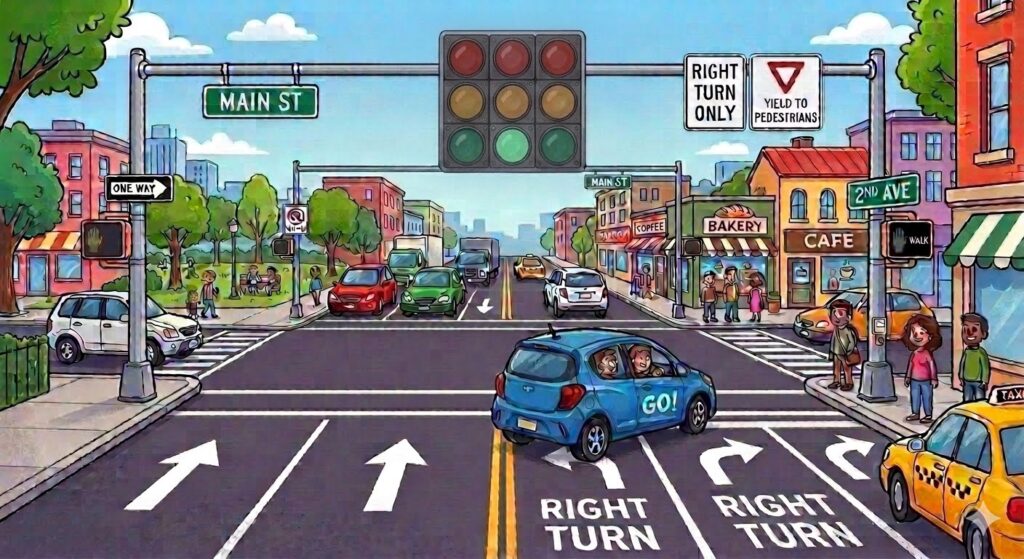
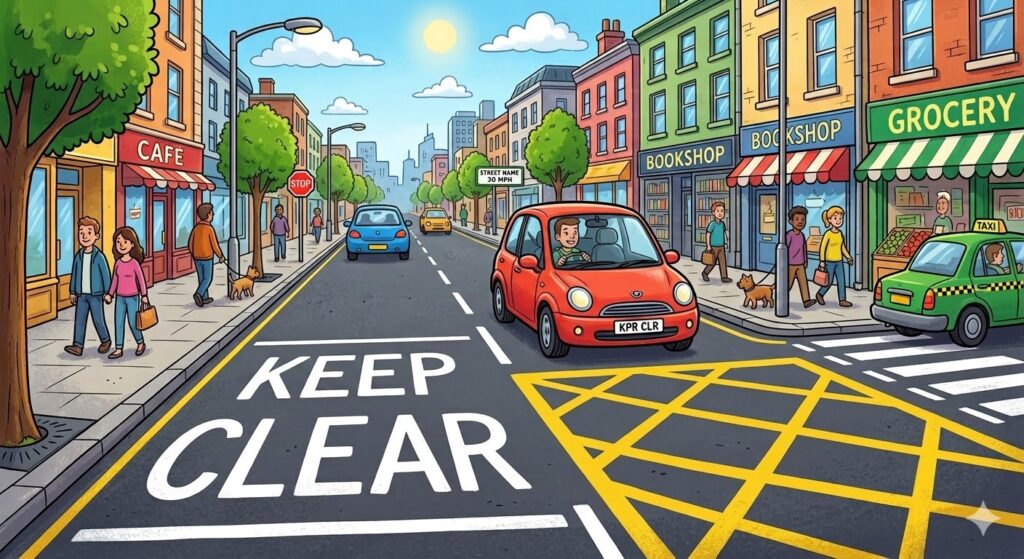
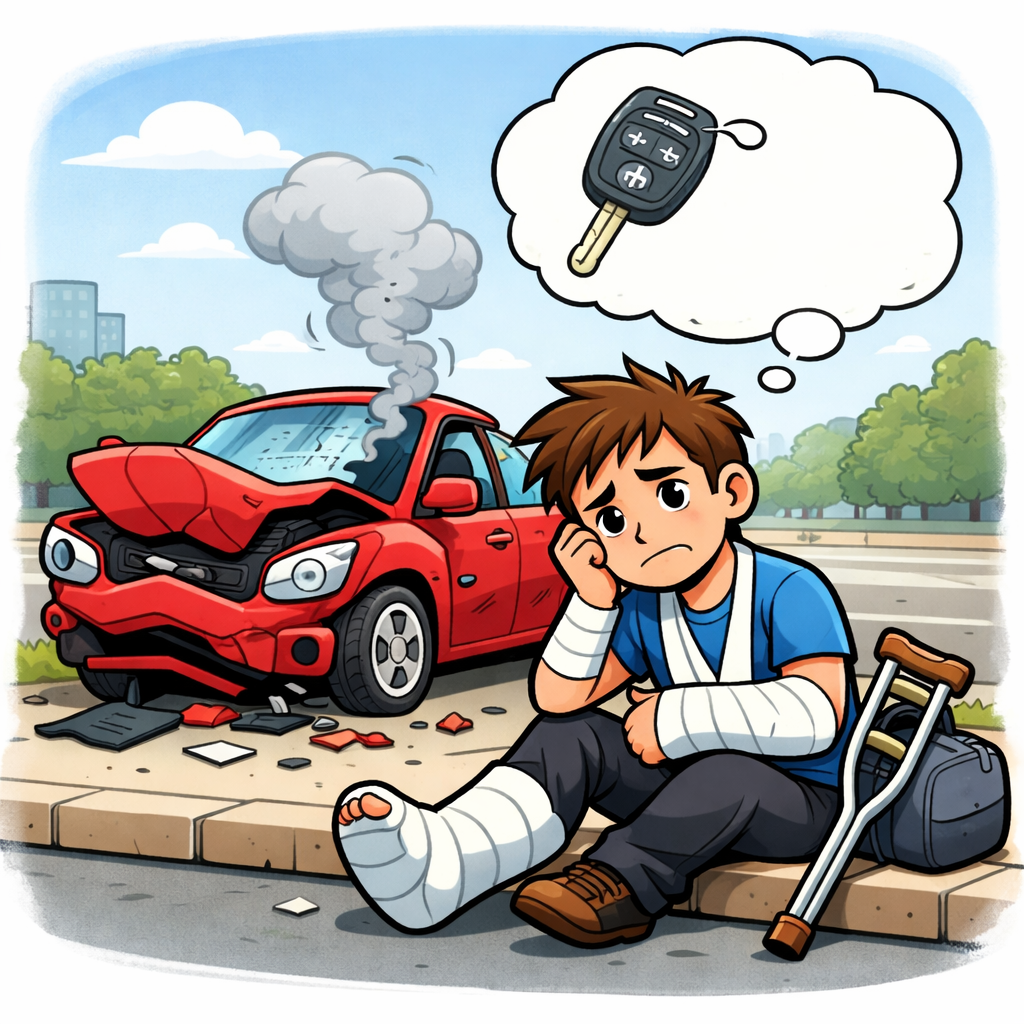
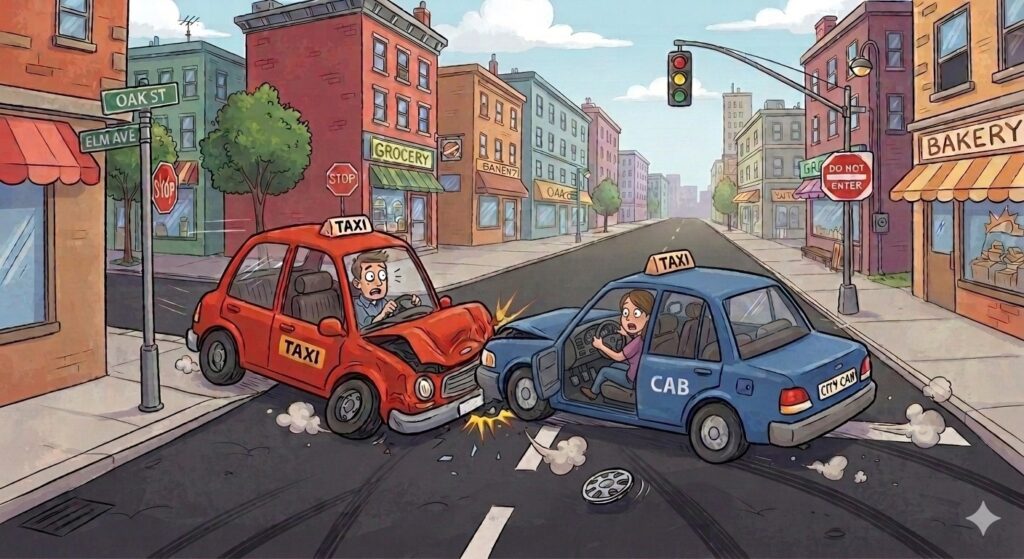
Collisions involving vehicles exiting side streets are a primary cause of intersection and T-bone accidents. These crashes typically occur due to obstructed lines of sight, misjudged traffic gaps, or failure to yield the right-of-way. Navigating these intersections safely requires active hazard perception and defensive driving strategies. The Mechanics of the Crash Exiting a side street inherently requires crossing or merging into active streams of traffic. Collisions usually happen when a driver pulls out into the path of an oncoming vehicle that has the right-of-way. Common contributing factors include: Visual Obstructions: Parked cars, overgrown foliage, or street infrastructure frequently blind drivers attempting to check for oncoming traffic. Misjudgment of Speed: Drivers exiting side streets often miscalculate the speed and distance of approaching vehicles, pulling out when there is an insufficient gap. Distraction and Fatigue: A lack of full attention at critical junction points leads to missed signage or failure to observe the flow of traffic. Preventive Measures To reduce the risk of collisions when exiting a side street, drivers must employ strict defensive driving habits. Come to a Complete Stop: Do not rely merely on rolling stops. Stopping completely allows you to properly assess the road conditions. Creep and Peek: If your view is blocked, slowly edge your vehicle forward until you have a clear line of sight in both directions. Wait for Safe Gaps: Only proceed when you are certain there is enough time and distance for you to safely enter the traffic flow. Car accident not your fault? Contact TP Claims | online or call now 0407 294 580 | No-Win No-Fee