tpclaims

All

All

Car accidents on the way to work

When it comes to car accidents involving a driver on their way to work, questions about liability and whether the employer is responsible often arise. In claim terms, this situation falls under the concept of “vicarious liability,” where an employer may be held accountable for the actions of their employees under certain conditions. Whether an employer is liable for a car accident during an employee’s commute to work depends on several factors. One key factor is whether the accident occurred within the scope of employment. If the employee was performing work-related tasks or running errands for the employer during their commute, the employer may be considered liable. For example, if the employee was driving a company vehicle or carrying out work-related responsibilities while commuting, the employer’s liability could be established. However, if the accident happened during a purely personal commute, such as going directly from home to work without any work-related stops or tasks, the employer is less likely to be held responsible. In such cases, the employee’s actions are generally considered outside the scope of employment, and the liability typically falls on the individual driver. It’s crucial for employers and employees alike to understand the nuances of car accident liability during commuting to ensure proper protection and adherence to legal obligations. Consulting with experts in employment law can provide clarity and guidance in navigating these complex situations. Car accident not your fault? Contact TP Claims: online or call now – we are here to help.
All

Mobile Phones and Car Accidents

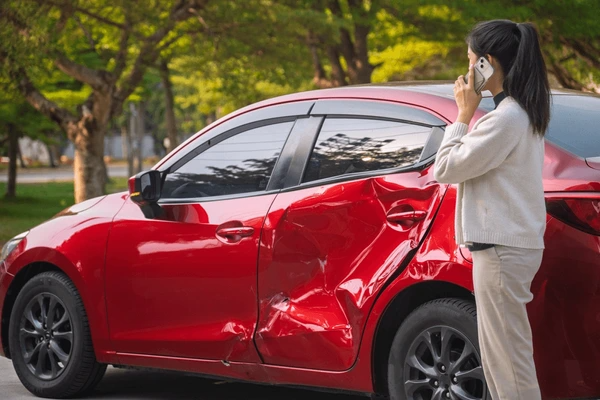
The use of mobile and cell phones while driving has become a significant concern due to its correlation with an increase in car accidents. Despite various awareness campaigns and strict laws, many drivers continue to use their mobile phones while on the road, leading to dangerous consequences. One major factor contributing to accidents is distracted driving. When drivers use their mobile phones to text, make calls, or browse the internet, their attention shifts away from the road. This split focus reduces reaction times and impairs decision-making abilities, increasing the likelihood of collisions. Moreover, mobile phone use can result in visual, manual, and cognitive distractions. Checking a text message or scrolling through social media takes the driver’s eyes off the road, hands off the wheel, and mind off driving. Even hands-free devices can be distracting as they still require cognitive engagement. Studies have shown a clear link between mobile phone use and accident rates. Drivers who engage in phone activities are more prone to weaving between lanes, missing traffic signals, and rear-ending other vehicles. To mitigate this issue, it’s crucial for drivers to prioritise safety and avoid using mobile phones while driving. Implementing stricter regulations, promoting education on the dangers of distracted driving, and utilizing technology like driver assistance systems can all contribute to reducing accidents caused by cell phone use on the road. Been in a car accident that is not your fault? Contact TP Claims for a no obligation enquiry – we are here to help. No win no fee.

All

Stop Sign Collisions

Car accidents at stop signs are a common occurrence on roads and intersections worldwide. These accidents often result from a combination of factors, including human error, visibility issues, and failure to follow traffic rules. One primary cause of stop sign accidents is driver negligence. Some drivers fail to come to a complete stop at a stop sign which can lead to collisions with vehicles approaching from other directions. Additionally, distracted driving, such as texting or adjusting the radio, can cause drivers to miss important cues at stop signs, increasing the risk of accidents. Visibility is another critical factor in stop sign accidents. Poor weather conditions, such as heavy rain, fog, or snow, can reduce visibility, making it challenging for drivers to see approaching vehicles or pedestrians. Inadequate lighting at intersections can also contribute to accidents, especially during nighttime hours. Furthermore, failure to yield the right of way is a common issue at stop signs. Drivers may misjudge the distance and speed of oncoming vehicles or misinterpret who has the right of way, leading to collisions. To reduce the risk of car accidents at stop signs, drivers must adhere to traffic laws, come to a complete stop, remain attentive, and yield the right of way when necessary. Improving road visibility and implementing traffic calming measures can also contribute to safer intersections.  

All

Car Accidents From Running Red Lights

Car accident liability disputes involving running red lights can be complex legal matters with significant consequences. When a driver runs a red light and causes an accident, determining liability typically involves examining several key factors. Firstly, traffic laws play a crucial role. Running a red light is a clear violation of traffic regulations in most jurisdictions, making the driver who ran the light primarily responsible for the accident. However, there are exceptions, such as situations where the light was malfunctioning or where another driver’s actions contributed to the accident. Secondly, evidence such as eyewitness testimonies, traffic camera footage, and accident reconstruction reports can be crucial in establishing liability. Eyewitness accounts can provide valuable insight into the sequence of events leading to the accident, while traffic camera footage can offer concrete proof of who had the right of way. Thirdly, comparative negligence laws may come into play. Even if one driver ran a red light, if the other driver was also negligent in some way, their degree of fault can impact the liability determination and the allocation of damages. In conclusion, car accident liability disputes involving running red lights require a thorough examination of legal statutes, evidence, and the actions of all parties involved to determine liability accurately. Car accident not your fault? Call or message Bradley Grimm at TP Claims. We are here to help.

All

About multi-vehicle collisions

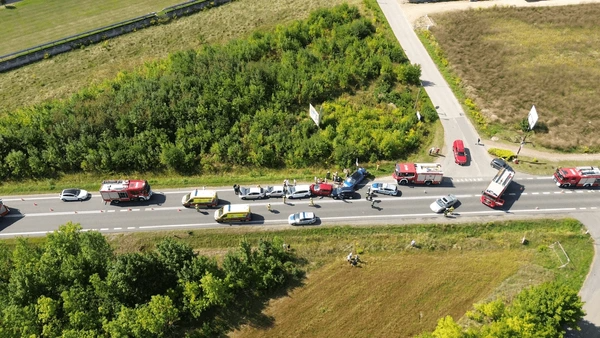
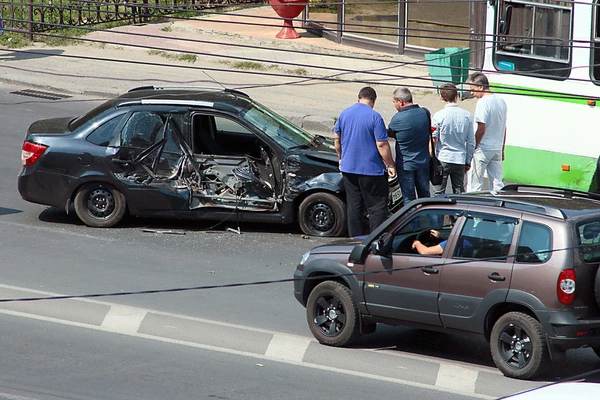
Car accidents involving more than four vehicles, often referred to as multi-vehicle pileups, can be incredibly chaotic and result in extensive damage and injuries. In these complex situations, determining liability becomes a challenging task. Liability in multi-vehicle accidents is typically assessed based on the concept of negligence. Negligence can involve various factors such as speeding, reckless driving, distracted driving, or failure to maintain a safe distance. Identifying the negligent actions that contributed to the accident is crucial in determining liability. One of the complexities of multi-vehicle accidents is the potential for chain reactions. A single initial collision can trigger a series of subsequent collisions involving multiple vehicles. Sorting out the sequence of events and each driver’s contribution to the accident requires a thorough investigation. Eyewitness accounts, police reports, traffic camera footage, and expert analysis are essential in unraveling the liability in multi-vehicle accidents. Insurance companies and legal professionals often play a significant role in negotiating liability and determining compensation for the parties involved. In some cases, contributory negligence may apply, where more than one driver is assigned a percentage of liability based on their degree of fault. This approach aims to distribute responsibility and hence liability fairly among all parties. Navigating liability in multi-vehicle accidents requires patience, diligence, and expertise from all parties involved, including law enforcement, insurance adjusters, and legal representatives. Adhering to traffic laws and practicing defensive driving can help mitigate the risk of these complex accidents and the associated liability disputes. Have you been involved in a multi-vehicle collision? Call TP Claims – we are here to help.  

All

About T-bone collisions

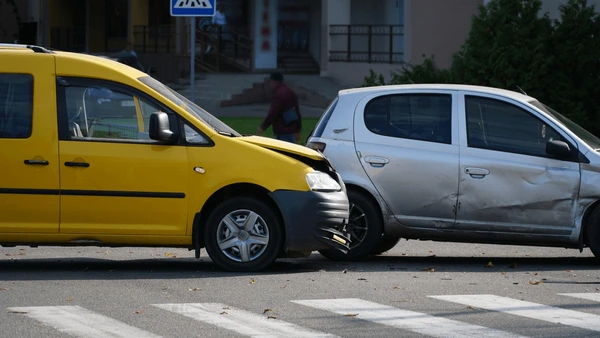
, T-bone collisions, also known as side-impact crashes, are a common type of car accident with potentially severe consequences. These accidents occur when the front of one vehicle strikes the side of another vehicle, forming a “T” shape. T-bone collisions often result in significant damage to both vehicles and can cause serious injuries to drivers and passengers. One of the key issues in T-bone collisions is determining liability. Liability refers to legal responsibility for the accident and its consequences. In these types of accidents, liability is typically determined based on the principle of negligence. Negligence in a T-bone collision can include actions such as running a red light, failing to yield, speeding, or distracted driving. Liability disputes in T-bone collisions can be complex and may require thorough investigation and evidence gathering. Eyewitness testimonies, traffic camera footage, vehicle damage assessments, and accident reconstruction analyses are all crucial in establishing liability. In some cases, both drivers may share a portion of the liability, known as contributory negligence. This means that each party is responsible for a percentage of the damages based on their degree of fault. To navigate liability disputes in T-bone collisions, it is essential for all parties involved to gather as much evidence as possible and seek legal guidance to ensure a fair resolution. Additionally, adhering to traffic laws and practicing defensive driving can help reduce the risk of T-bone collisions and the associated liability issues. Have you been T-boned by another driver? Contact TP Claims online or via our 24hr call line – we are here to help.

All

How subrogation works in third-party claims

Subrogation, in terms of third-party claims, is a crucial legal concept that can significantly impact the conduct and outcome of a claim. In essence, subrogation allows an insurance company that has an interest in a claim to “step into the shoes” of the at-fault driver and defend a claim from a third party where the insurer’s client may be responsible for the loss or damage. This process typically occurs when the insurer’s client causes damage to someone else’s property due to negligence or wrongdoing. Once the insurance company determines responsibility for the loss (liability) they generally manage the claim against the third party (quantum). In some cases, liability may be denied by the insurer and this issue may have to be litigated. For the not-at-fault driver, subrogation means dealing with the insurer and not their client. This can be a positive in terms of knowing that the probability of getting compensation is increased due to the financial capacity of the insurer as opposed to the unknown capacity of the tortfeasor (at-fault driver), however, insurers are professional litigants which means not-at-fault drivers are generally at a procedural disadvantage without professional representation such as a claim manager (ie Third Party Claims) or a lawyer. Furthermore, subrogation depends on various factors, including the actual making of a claim and the paying of excess, the availability of evidence, the cooperation of all parties involved, and applicable laws and regulations. When liability is established, subrogation may result in partial or full reimbursement to the not-at-fault driver. Often, if the at-fault driver (or the owner of the vehicle) has not made a claim or not paid their excess, the insurer will not act. In summary, understanding subrogation is crucial for not at-fault drivers in their claims against a tortfeasor who is insured. Contact TP Claims if you having problems dealing with the insurer of an at-fault driver – online or via our 24 hr hot-line 0407 294 580. We are here to help.   Important Notice TP Claims only deals with negligence claims for not-at-fault drivers. We do not manage claims and disputes between the insured and their insurers. Further, we do not provide advice on insurance products and policies. If you are insured and you have a dispute with your insurer, we suggest that you contact AFCA or obtain legal advice.  

All

Drivers must exchange details after a collision

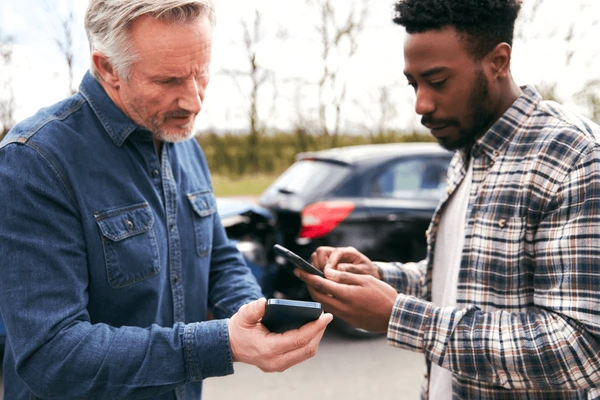
Drivers must exchange details after a collision In the aftermath of a car accident, one crucial obligation falls upon the at-fault driver: the requirement to exchange details. This legal mandate serves to facilitate the resolution of third party claims and ensures accountability. The exchange typically includes names, addresses, phone numbers, driver’s license numbers, license plate numbers, and insurance information. Failing to fulfill this obligation can result in legal repercussions, as it impedes the proper handling of claims and investigations. In many jurisdictions, failure to exchange details can lead to fines, license suspension, or other penalties. Moreover, prompt exchange of information is vital for the well-being of all parties involved. It allows for timely communication with parties, medical professionals, and legal representatives, ensuring a smoother recovery process for those affected. Ultimately, understanding and adhering to the requirement to exchange details after a car accident not only fulfills legal obligations but also fosters a sense of responsibility and cooperation on the road.

All

About Collisions with Taxis and Rideshare Vehicles

Collisions involving Ubers and taxis have become a growing concern in urban areas, as the popularity of ride-sharing services continues to rise. While these services offer convenience and accessibility, they also introduce new challenges to road safety. The dynamic nature of ride-sharing, with drivers constantly navigating unfamiliar routes and managing passenger pickups, can increase the risk of accidents. Additionally, some drivers may be distracted by the need to manage their mobile devices for navigation or communication with passengers, further elevating the likelihood of collisions. Moreover, the sheer volume of Ubers and taxis on the roads can lead to congestion and aggressive driving behaviors as drivers compete for fares. This congestion not only heightens the risk of accidents but also contributes to overall traffic frustration and delays. To address these concerns, policymakers and transportation authorities must prioritize strategies to enhance safety measures for ride-sharing vehicles, including stricter driver training requirements, improved enforcement of traffic laws, and investments in infrastructure to alleviate congestion. By proactively addressing these issues, cities can work towards safer streets for all road users. Many taxis and rideshare vehicles have insurance, which is mandated, through co-operatives such as taxi clubs. Taxi and ride share insurance clubs are a type of mutual that have special sets of rules when it comes to making third party claims.  Contact TP Claims online or phone / text 0407 294 580 (24 hr hotline) to enquire about how we can help with any collision you have had, that was caused by taxi or rideshare vehicles.  

All

Why is There so Much Litigation in Third Party Insurance Disputes ?

Third-party insurance disputes often result in significant litigation due to the inherent complexities involved. One primary reason is the multiplicity of parties involved. Unlike a straightforward transaction between an insured individual and an insurer, third-party claims involve at least three parties—the insured, the insurer, and the third party making the claim. Each party may have conflicting interests and interpretations of policy terms, leading to disputes. Moreover, determining liability in third-party cases can be intricate. Establishing fault, assessing damages, and navigating legal intricacies further contribute to the complexity. Insurance policies themselves can be ambiguous or subject to interpretation, leading to disagreements over coverage. Additionally, third-party claims often involve emotional or financial stakes, incentivizing parties to pursue litigation to protect their interests or maximize compensation. Furthermore, the adversarial nature of insurance claims processes can exacerbate disputes, pushing parties towards legal resolution. Ultimately, the convergence of multiple parties, complex liability determinations, ambiguous policy terms, and high stakes fosters an environment ripe for litigation in third-party insurance disputes. Got a motor vehicle dispute with a third party? Contact TP Claims for a no-obligation discussion – online or via our 24-hour hotline 0407 294 580. We are here to help. No-win No-fee.

Scroll to Top