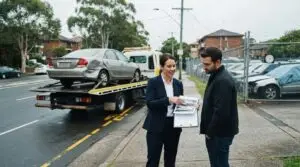
Towing and Salvage Fees: What Can You Claim in NSW
A damaged car’s claim can include more than repair costs. In NSW, you may be able to claim reasonable towing, storage and salvage-related losses from…

A damaged car’s claim can include more than repair costs. In NSW, you may be able to claim reasonable towing, storage and salvage-related losses from…

A low repair estimate doesn’t automatically mean your truck is economical to repair. In a truck repair cost dispute with a third-party insurer, the…
A truck is damaged in a collision, its trailer is off the road, and your team is suddenly juggling driver reports, repair records and insurer calls….
If you’ve searched “claim repair costs hit by company car australia”, you’re likely trying to work out who to contact and how to get your car…
What if the clearest account of a crash isn’t the one argued most loudly at the roadside? If you’re wondering what to do when other driver disputes…
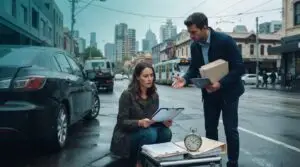
What can you do when the at-fault driver’s insurer keeps asking for more information but your car repairs or settlement remain unresolved? If you’re…
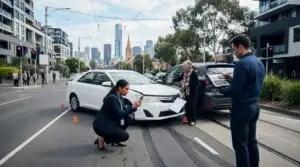
A driver’s denial doesn’t decide who was responsible. A clear, consistent trail of evidence can help show what happened and keep your property damage…

What if the at-fault driver’s insurance doesn’t cover damage to their own car, but your vehicle is damaged? If the at fault driver only has third…
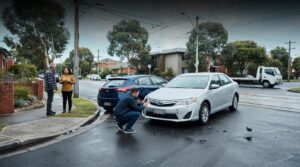
What if the details another driver gave you after a crash are false? If you’re searching for “other driver gave fake details after accident…
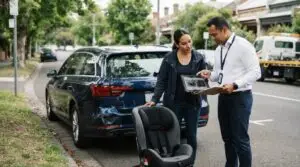
Your car has been hit, your child’s seat looks fine, and you’re wondering who pays for child car seat replacement after crash australia. It’s a…

Could your business recover losses while a commercial vehicle is off the road after a collision? It’s understandable to expect compensation when…
Can you recover income lost while your rideshare vehicle is off the road after a crash that wasn’t your fault? A rideshare driver not at fault…
What if the van that keeps your delivery work moving is suddenly off the road, and a small car simply won’t do? If your courier van was damaged in an…
Can you recover trade vehicle repair costs without comprehensive insurance? If a crash wasn’t your fault, having no comprehensive cover doesn’t…
What happens to tomorrow’s jobs when your work vehicle is damaged today? If you’ve searched “sole trader commercial vehicle damage claim australia”,…
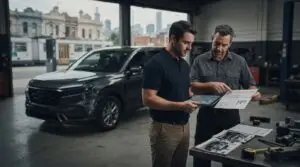
What if the assessor’s lower estimate isn’t the final word on what your car needs? If you’re searching for “dispute insurance assessor vehicle repair…
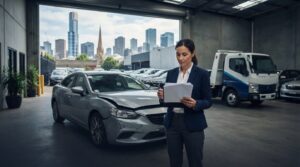
What if the storage bill keeps growing while the insurer is still assessing your car? If you’ve searched “how to get third party insurer to pay…
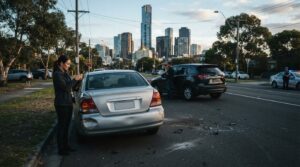
What if an at-fault driver refuses to share their insurance details? If you’re searching “what happens if at-fault driver refuses to give insurance…
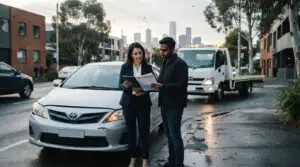
What if you didn’t have to negotiate with the other driver’s insurer while trying to get your car repaired? After a crash, uncertainty about fault,…
What if your car is fully repaired, but its accident history still affects what buyers are willing to pay? It’s understandable to wonder whether…
The repair bill may be only one part of what a car accident has cost you. If you’re searching for “recover out of pocket expenses car accident…

After a crash, it can be hard to know what to do first. Damage to your car, conflicting accounts and questions from insurers can leave you unsure…
If the other driver caused the crash, does that mean their insurer will automatically pay for your car repairs? Not necessarily. Your not at fault…
What if the tow bill keeps growing after the crash is over? Towing, storage and related charges can add pressure while you’re arranging repairs. If…
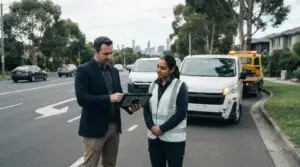
A fleet accident can put a day’s work at risk long after the vehicles leave the scene. Jobs may need rescheduling, deliveries can be delayed, and…
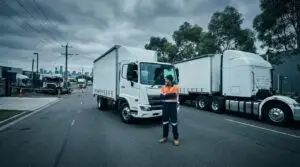
The biggest truck isn’t always the best replacement. A replacement vehicle for truck drivers needs to keep your actual work moving, whether that…
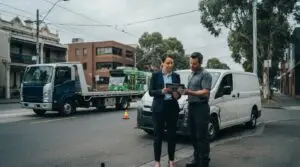
What if a damaged work vehicle puts deliveries, staff and your schedule under pressure? After a collision, a commercial vehicle accident claim can…
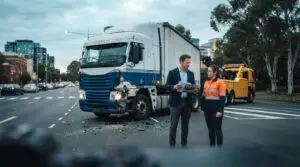
What if a truck collision leaves you facing a major repair bill while your business loses income by the day? Truck collision property damage disputes…
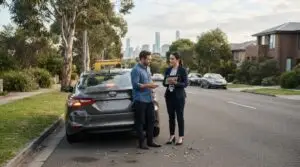
Dragging a disputed vehicle claim into a formal tribunal isn’t the fastest way to get your car back on the road. When an at-fault driver suddenly…
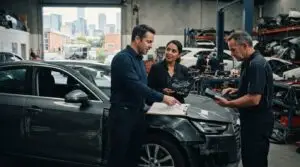
That initial assessment from an insurer isn’t a binding verdict; it’s simply an opening cost-control baseline. When you’re dealing with an insurance…
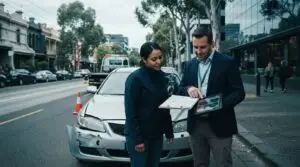
When an at-fault driver’s insurer contacts you, they aren’t looking out for your best interests; they’re protecting their own balance sheet. If…
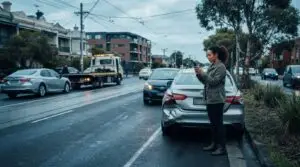
When another driver crashes into you, their insurer is not on your side. Working out how to deal with other driver’s insurance often feels like a…
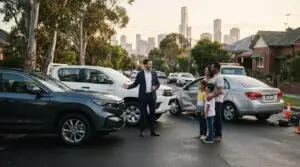
Did you know that if someone crashes into you, the law requires them to put you back in the position you were in before the smash? Most drivers think…
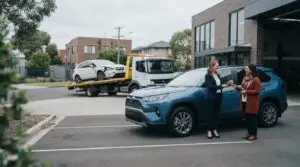
In Australia, staying mobile after an accident you didn’t cause isn’t a luxury; it’s a right that ensures your life doesn’t grind to a halt. Most…
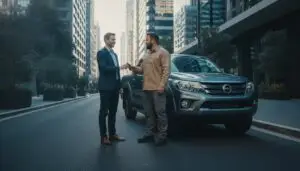
What if a split-second mistake by another driver didn’t have to cost your business thousands in lost revenue? When your work vehicle is sidelined,…
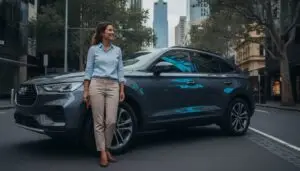
You aren’t just entitled to a basic set of wheels when someone crashes into you; you have a legal right to be restored to your exact pre-accident…

You shouldn’t have to pay the price for someone else’s mistake on the road. We understand how quickly a car accident can turn your life upside down,…

You’ve spent days gathering evidence, getting repair quotes, and carefully drafting a formal notice, only to be met with total silence. It feels like…

A driver’s refusal to pay is legally irrelevant to their liability; with the right advocacy, their cooperation is completely optional. It is…

Did you know that in 2026, roughly 15% of Australian drivers have cancelled or downgraded their insurance due to rising cost-of-living pressures?…
Did you know that roughly 15% of Australian drivers have now cancelled or downgraded their car insurance due to rising cost of living pressures? If…

Did you know that in 2026, approximately 15 per cent of Australian drivers have cancelled or downgraded their insurance due to cost-of-living…

You’re sitting at the lights when someone slams into the back of your car. You aren’t at fault, yet you’re the one left dealing with a smashed boot…

You’re standing on the side of a busy road, staring at your crumpled bumper while the other driver admits they don’t have insurance. The immediate…
Did you know that 15% of Australian drivers, roughly 3.2 million people, have recently cancelled or downgraded their car insurance due to rising…
What if the “standard” four-month wait for an insurance decision was actually a sign that your claim is being mishandled? When someone else hits your…

Recovering your costs after a property damage claim motor vehicle accident is often more like a debt collection exercise than a simple insurance…
You’re driving your ute through traffic when a multi-tonne semi-trailer clips your side, leaving you with a crumpled door and a sinking feeling in…

You’re standing on a busy Australian roadside, staring at your crumpled bumper while the other driver shrugs and hands you a phone number for an…
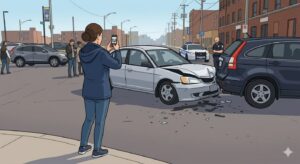
Taking photos at a crash scene protects your legal rights
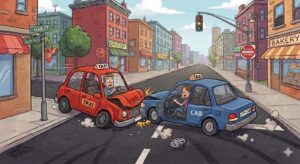
Collisions involving vehicles exiting side streets are a primary cause
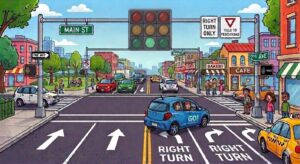
In Australia, an “unprotected turn” occurs when a driver turns right
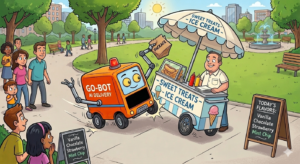
When an automated driving collision occurs in Australia, fault currently
Claiming Loss of Use of a Vehicle After a Collision
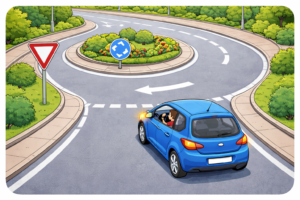
Navigating roundabouts can feel like a coordinated dance, but the
In Australia, ongoing controversies have emerged around taxi club insurers
If you have been injured at work, you may be
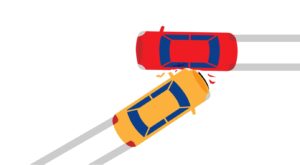
In New South Wales (NSW), shopping centre car parks are
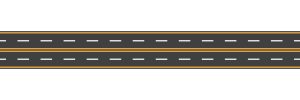
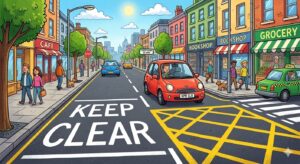
In New South Wales, road markings are essential for regulating traffic flow and ensuring road safety. Understanding what each type of line means—and whether you can cross it—is vital for all drivers.
According to Victorian road rules, a single continuous (solid) line generally means you must not cross or overtake i
Collisions with Parked Cars: Liability and CCTV Evidence Collisions involving
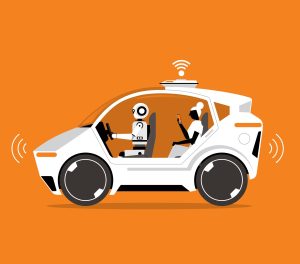
As automated driving systems (ADS) become increasingly integrated into modern
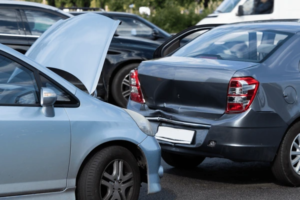
As automated driving technology advances, the nature of car collisions and traffic safety is undergoing a major transformation
Multi-car pileups on freeways are chaotic and often result in
Car rental businesses often face the daunting task of managing
Car accident liability disputes involving running red lights can be
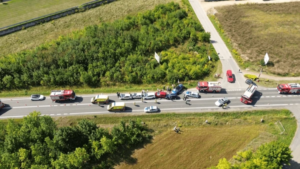
Car accidents involving more than four vehicles, often referred to
Subrogation, in terms of third-party claims, is a crucial legal

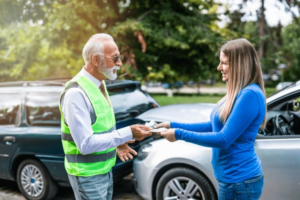
Drivers must exchange details after a collision In the aftermath
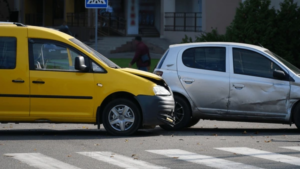
Collisions involving Ubers and taxis have become a growing concern

Third-party insurance disputes often result in significant litigation due to
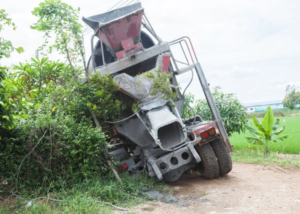
Truck collision claims can be complex due to various factors,
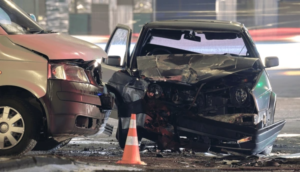
Being ghosted by an at-fault driver after a collision can
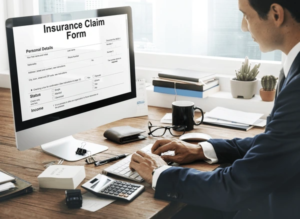
Making a third-party claim after a car accident involves seeking
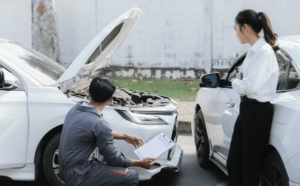
Obtaining contact details after a car collision is crucial for
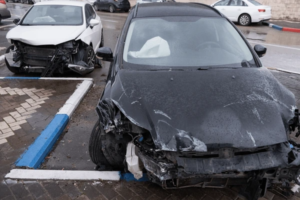
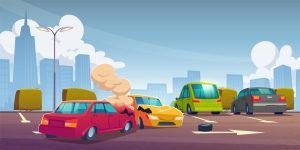
Car accidents in car parks, though often overlooked, are a
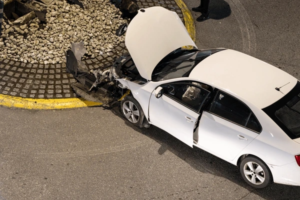
Determining Liability in Side Swiping Cases :- Limited Visibility: In

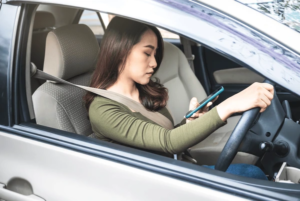
20-somethings are involved in the most car accidents per age group, but is it because of smartphone use in the car, or another reason?
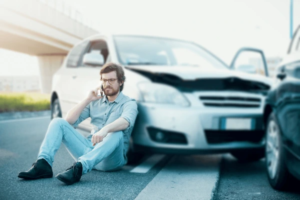
A straightforward accident that was not your fault has turned sour when the at-fault driver denies liability.
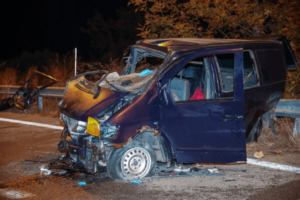
Walking away from a car accident without the proper information or agreeing to something can really bite you later, so take your time post-accident.
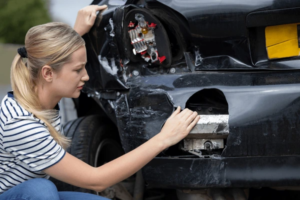
We explain what you should do if you were involved in a car accident where the at-fault driver is now being uncooperative with the insurance claim.
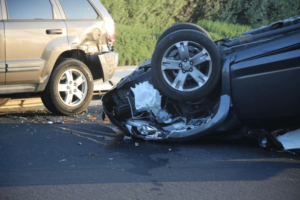
You have a car accident, the other person apologises because it was clearly their fault, and then later they deny it. What do you do? We explain.

Ever wondered what sort of car crash you are most likely to have in any given state? We review the claims data over a few years to see what our worst habits are.
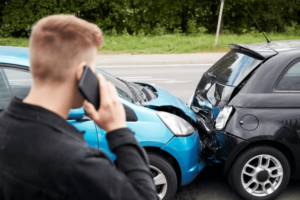
Dazed and confused after someone crashed into you and not sure what to do? Here’s a checklist!
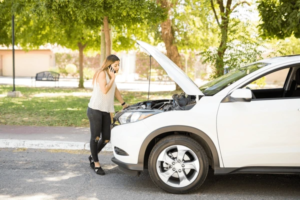
Accident not your fault? Get a rental car while your car is being fixed or replaced!

If the car crash was not your fault, you are legally entitled to be compensated for your losses and expenses caused by the accident.
If you have been in a car accident and it

Got questions about what you are entitled to when the car crash is someone else’s fault? There are expenses to claim like towing, and the possibility of a rental car delivered to your door until your car is fixed.
Get a car dropped off and picked up from you where you drop off and pick up your damaged/repaired car, so long as the crash was not your fault and the other person has insurance.